What is the best GHK-Cu concentration for the eye area
Foods that either contain glutathione or provide the building blocks (especially sulphur-rich foods) include: Sulphur vegetables: garlic, onions, broccoli, cauliflower, cabbage Cruciferous greens: spinach, kale, methi Fruits: avocado, oranges, tomatoes Protein sources rich in cysteine: eggs, legumes, dairy How to increase glutathione naturally Beyond food and supplements, these habits support healthy glutathione levels: Prioritise sleep your body repairs and replenishes overnight Exercise regularly moderate activity supports antioxidant systems Eat sulphur-rich foods (see above) Get enough vitamin C, selenium, and B-vitamins cofactors for glutathione Cut alcohol and quit smoking Consider a quality supplement if diet and lifestyle alone aren't enough How to choose a glutathione supplement Not all glutathione products are equal
The rationale extends beyond simple formulation chemistry into the realm of NAD+ precursor biology, mitochondrial function, and adipose tissue metabolism
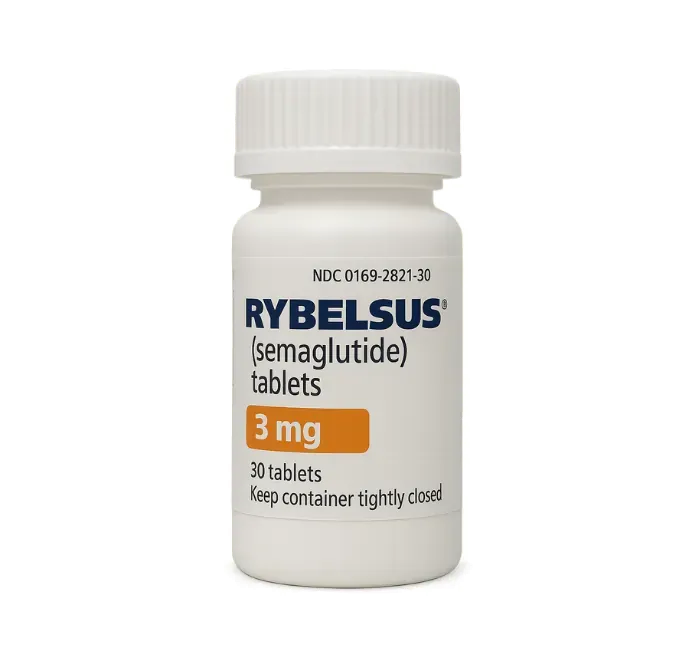
Are you ready to experience doctor-guided GLP-1 treatment that actually delivers?
Engineering chimeric autoantibody receptor T cells for targeted B cell depletion in multiple sclerosis model: An in-vitro study