A person with lupus might be more likely to benefit from discussing a GLP-1 medicine with their clinician if they have: Type 2 diabetes Obesity or overweight with weight-related health problems High blood pressure High cholesterol Fatty liver disease High cardiovascular risk Kidney risk factors Difficulty losing weight despite serious lifestyle efforts These medicines may be especially worth discussing when weight, diabetes, or cardiovascular risk is making lupus care more difficult
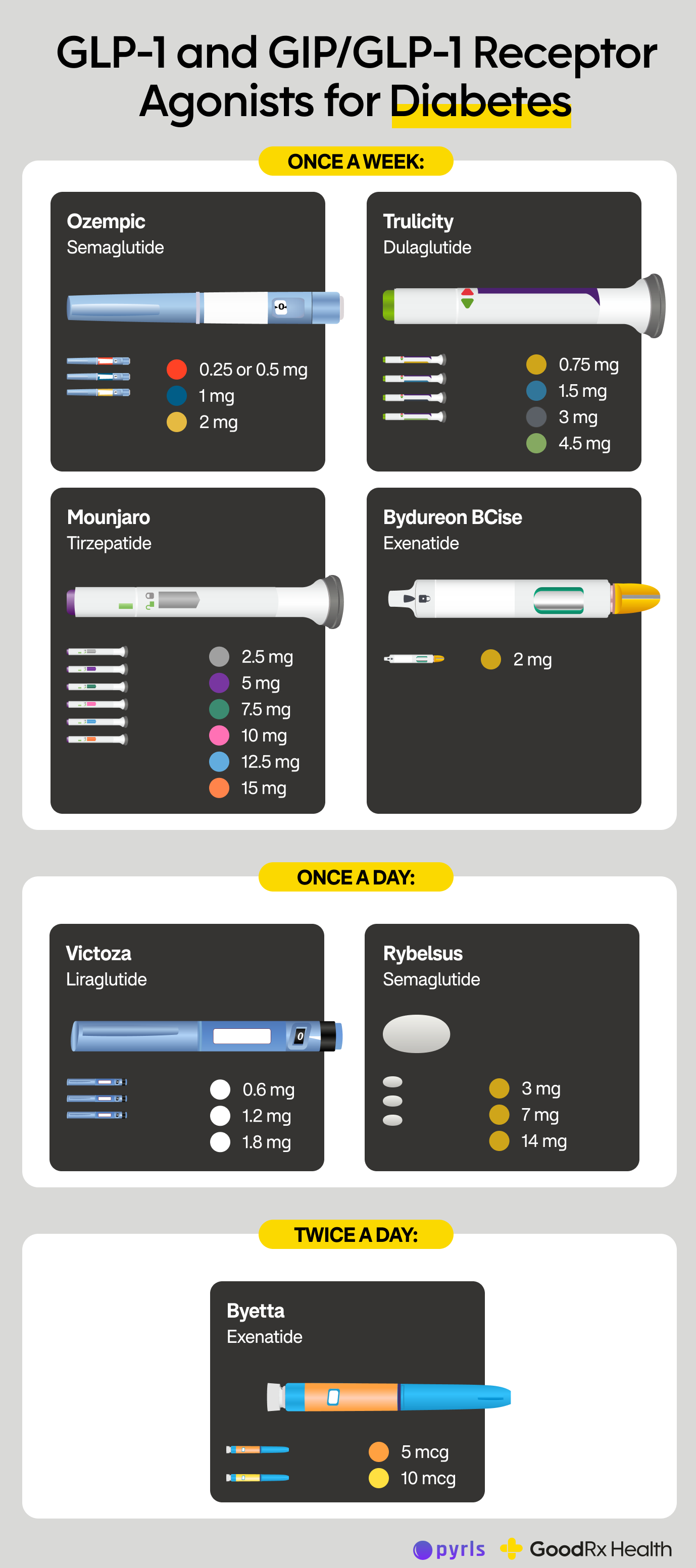
The semaglutide dosage chart and tirzepatide dosage chart help visualize dose equivalencies across formulations
[] Free radicals damage the RBC products by lipid, protein oxidation and oxidative loss with changes in the structure of the RBCs membrane leads to an increase in the accumulation of band-3 protein, lipid oxidation and apoptotic changes in the last weeks of storage
One popular option is Radiesse, a filler that encourages the body to produce more collagen and elastin
Therapeutic strategies targeting redox-critical nodes include caspase/RIPK1 inhibition, GPX4 activators, autophagy modulators (rapamycin), acid -glucocerebrosidase (GBA1) restoration, iron/copper chelators, and antioxidants (N-acetylcysteine) to restore glutathione homeostasis















![Primal Groudon EX (97/98) (Jumbo Card) [XY: Ancient Origins] HER008-P](https://cdn.shopify.com/s/files/1/0794/9162/9342/files/211510.jpg?v=1774867358)


